

If you’re trying to lose weight, feel better, and have more energy, but keep feeling stuck, there’s a good chance you’re overcomplicating things.
You don’t need another meal plan.
You don’t need extreme rules.
You don’t need to obsess over every bite.
You need clarity on two daily decisions that quietly shape your results:
1️⃣ What should I eat for breakfast?
2️⃣ What should I eat after dinner?
Get these two moments right, and everything else becomes easier.
Get them wrong, and your energy, cravings, and progress suffer, no matter how “healthy” the rest of your day looks.

Why These Two Meals Matter More Than You Think?
Breakfast and post-dinner nutrition act like bookends for your metabolism.
They influence:
- Energy levels
- Cravings throughout the day
- Muscle recovery
- Fat loss efficiency
- Long-term health
Most people struggle not because they eat bad food, but because they miss key nutrients at the worst possible times.
Let’s fix that.
What You Should Eat for Breakfast (And Why It Changes Everything)
Breakfast sets the tone for your entire day.
A strong breakfast:
- Stabilizes blood sugar
- Reduces cravings later
- Improves focus and energy
- Supports fat loss
The problem?
Most breakfasts are too high in carbs and too low in protein, or skipped altogether.
Protein is the missing piece.
Your Breakfast Target:
Aim for at least 20 grams of high-quality protein in the morning.
Protein:
- Boosts metabolism
- Keeps you full longer
- Helps preserve lean muscle
- Reduces mid-morning snacking
Without enough protein early, your body spends the day playing catch-up, and cravings usually win.
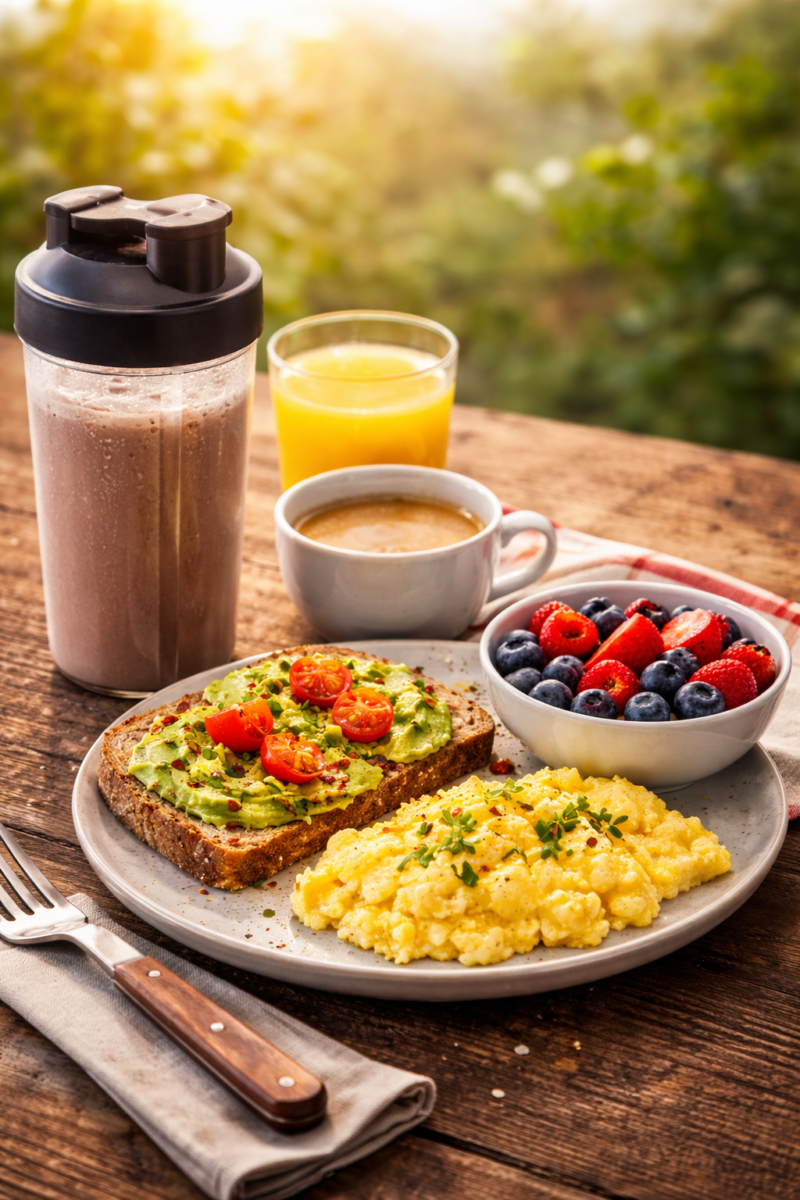
Why “Healthy” Breakfasts Often Backfire?
Many common breakfast options look healthy but fall short:
- Sugary cereals
- Toast-only meals
- Fruit-only smoothies
- Low-quality breakfast meats
- Protein powders filled with fillers and artificial sweeteners
These choices spike energy briefly, then crash it—leading to hunger, fatigue, and overeating later.
What You Should Eat After Dinner (Yes, This Matters Too)
You’ve probably heard that eating after dinner is “bad.”
That’s not entirely true.
What you eat matters far more than when you eat.
Going to bed under-fueled, especially low on protein, can:
- Increase cravings the next day
- Slow muscle repair
- Hurt metabolism
- Disrupt sleep quality
Your After-Dinner Target
Again, aim for 20 grams of clean, high-quality protein.
Before bed, protein:
- Supports muscle recovery
- Maintains lean mass
- Helps regulate metabolism overnight
- Reduces late-night snacking
The key is avoiding sugars and heavy carbs while prioritizing protein.
How to Make Protein Simple (Even With a Busy Schedule)
Consistency beats perfection.
The easiest way to hit your protein targets is with convenient, clean options that taste good and fit real life.
When choosing a protein powder, look for:
- All-natural ingredients
- Zero added sugar
- No artificial sweeteners
- Minimal carbs
- High-quality protein isolate
Protein doesn’t have to be boring:
- Blend into smoothies
- Mix into oatmeal or yogurt
- Add to pancake batter
- Stir into overnight oats
When protein is easy, results follow.
Recipe Spotlight: Protein Power Oatmeal
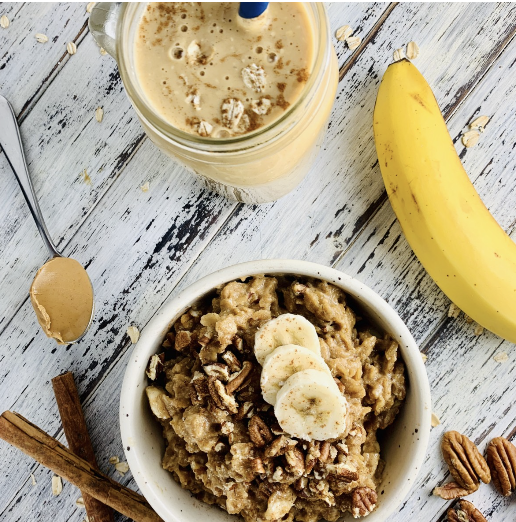
A simple, make-ahead breakfast that fuels your day and satisfies hunger—without the sugar crash.
Ingredients: Serves 4
- 1¾ cups milk (any kind)
- 1 cup rolled oats
- Sea salt (to taste)
- Ground cinnamon (to taste)
- Coconut sugar (to taste)
- 2 scoops vanilla protein powder
- ½ cup chopped toasted pecans
- 1 banana, sliced
Instructions:
- Bring milk to a simmer. Add oats, salt, and cinnamon. Cook until thick.
- Remove from heat. Stir in coconut sugar and protein powder.
- Add pecans and bananas. Adjust consistency with extra milk if needed.
- Portion, garnish, and enjoy—hot or chilled.
Nutrition (Per Serving): 232 calories | 17g protein | 12g fat | 15g carbs