
When people start focusing on fat loss, one of the first questions they ask is about food timing.
Not calories.
Not protein.
Not habits.
Timing.
Specifically, they ask:
“Should I try intermittent fasting?”
or
“Should I eat small meals every few hours?”
You’ve probably heard strong opinions about both.
Some people swear fasting changed their life.
Others insist eating every 2–3 hours keeps their metabolism firing.
So which one actually works?
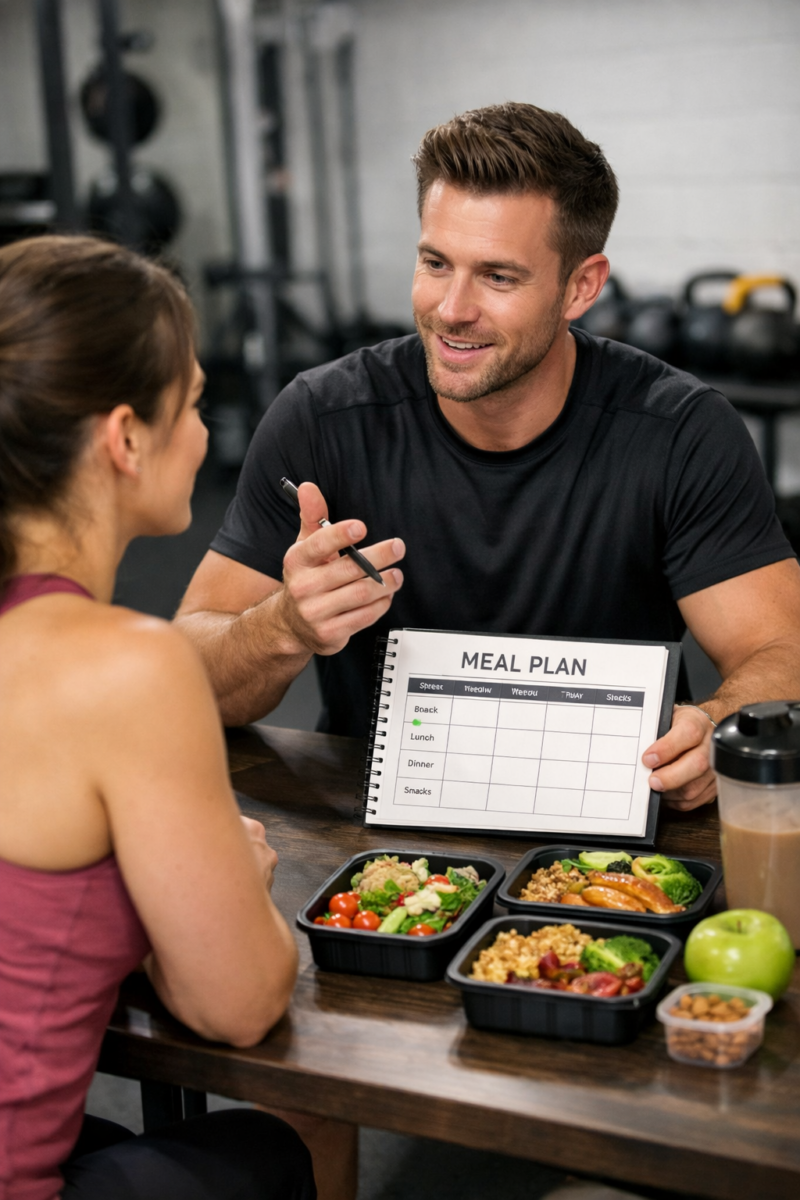
The truth is simpler than most people expect.
Both strategies can work.
The real key is consistency and food quality, not which schedule you follow.
Let’s break it down.
Strategy #1: Intermittent Fasting
Intermittent fasting simply means restricting the hours when you eat.
A common schedule is the 16:8 approach:
• Fast for 16 hours
• Eat during an 8-hour window
For example, you might eat from 12:00 PM to 8:00 PM, then fast overnight and through the morning.
Many people enjoy fasting because it simplifies their routine.
You don’t need to think about food constantly, prepare multiple meals, or snack all day.
Why some people succeed with fasting?
• Less frequent eating often leads to fewer calories consumed overall.
• Simpler schedule — fewer meals to plan.
• Many people feel mentally sharper when not constantly digesting food.

The challenges
Intermittent fasting isn’t perfect for everyone.
Some people struggle with:
• Low energy in the morning
• Overeating during the eating window
• Social situations around food
And if someone already struggles with binge eating patterns, fasting can sometimes make those habits worse.
For some people it works great.
For others, it feels miserable.
Strategy #2: Eating Small Meals Throughout the Day
The opposite approach is structured eating throughout the day.
This method typically involves 4–6 smaller meals, spaced every few hours.
Each meal usually includes:
• Lean protein
• Vegetables
• Healthy fats
• Moderate carbohydrates
This strategy has long been popular with athletes, bodybuilders, and fitness professionals.
Why it works?
• Energy levels stay stable throughout the day
• Hunger rarely spikes
• Nutrients are delivered to muscles consistently
Many people find this method easier because they never feel extremely hungry.
The downside
This strategy requires planning and preparation.
You need to think ahead.
Meals need to be packed.
Portions must be controlled.
And convenience foods rarely fit into the plan.
For people with busy schedules, that structure can feel overwhelming.
The Truth Most Diet Plans Ignore
Here’s the part most people overlook.
Neither fasting nor frequent meals magically burns fat.
Both methods simply help people control calorie intake and reduce mindless eating.
And that’s where the real results come from.
Fat loss happens when:
• You consistently eat slightly fewer calories than you burn
• You prioritize nutrient-dense foods
• You support it with regular training
The schedule itself is just a tool.
The Best Plan Is the One You’ll Actually Follow
Instead of asking which method is “best,” ask yourself a better question:
Which one fits your lifestyle?
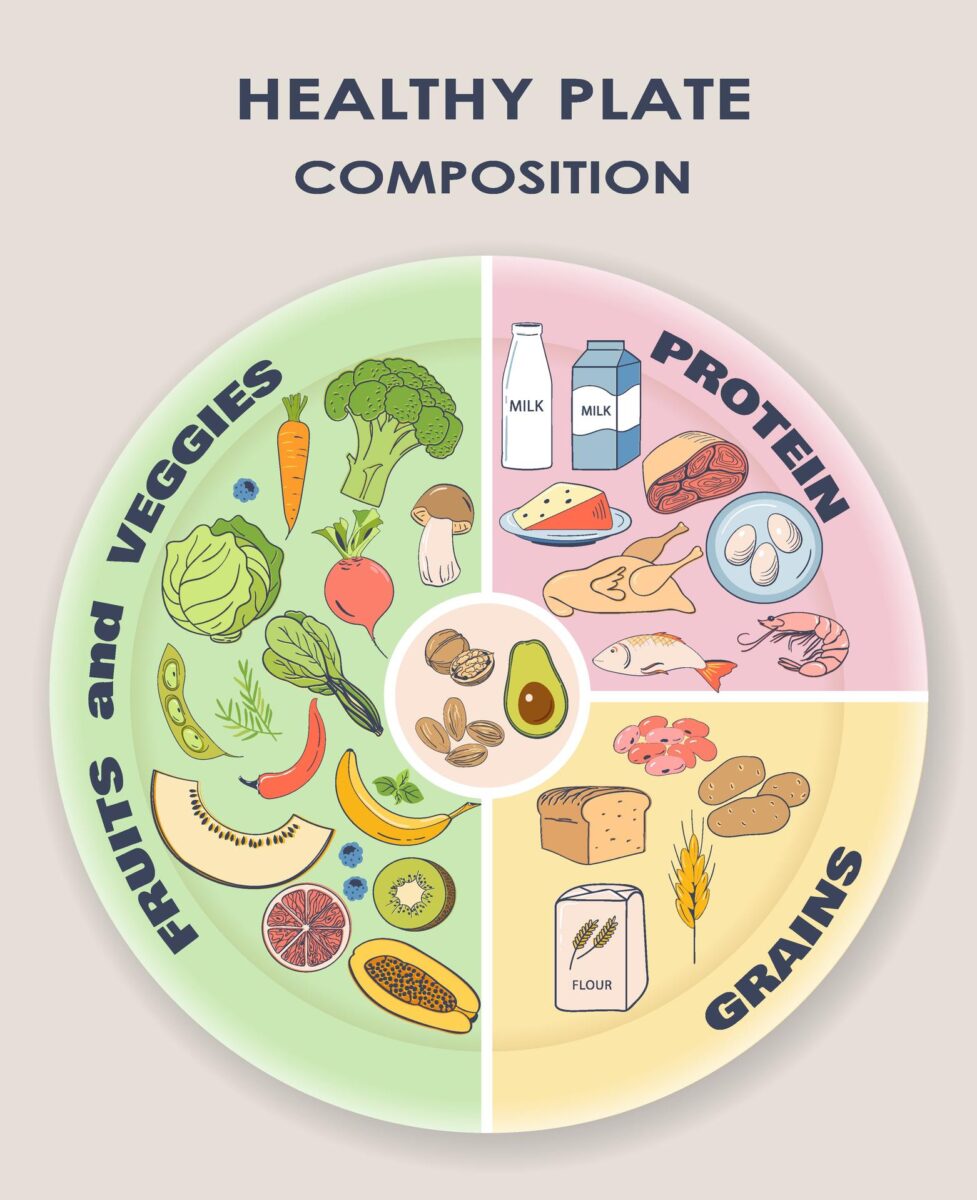
Ask yourself:
• Do I feel okay skipping meals?
• Do I prefer structure or flexibility?
• Do I enjoy meal prepping?
• Do I tend to overeat when extremely hungry?
Your answers will guide you toward the strategy that works best for you.
Because consistency beats perfection every time.
A good plan done consistently will always outperform a perfect plan done occasionally.
Focus on What Actually Matters
Whether you eat three meals, six meals, or two meals, your results will depend far more on the basics:
• Eat real, whole foods most of the time
• Prioritize protein in every meal
• Limit ultra-processed foods
• Stay hydrated
• Train consistently
Those fundamentals will always matter more than any eating schedule.
If you’re unsure what approach fits your lifestyle, that’s completely normal.
Nutrition should work with your life, not against it.
If you want help creating a simple plan that supports your fat loss goals and your training program, let’s talk.
📩 Grab your FREE consultation: www.drfitness.fit
📱 Or text CONSULT to 980-252-2552
Let’s simplify your nutrition, sharpen your workouts, and build a plan that actually works for you.
You don’t have to figure it out alone.